

Natural remedies for potency: myths, facts, and what to do
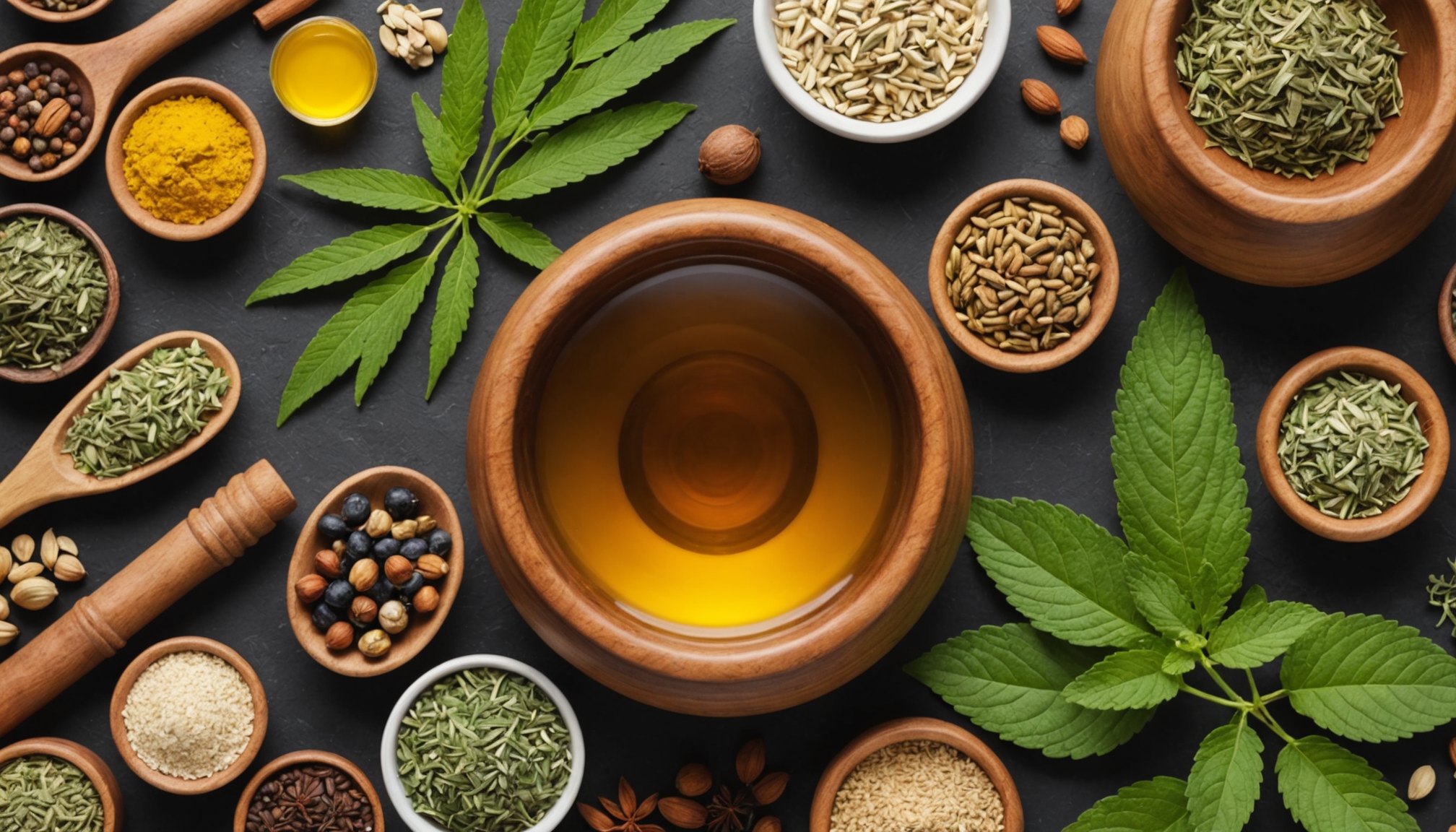
“Natural remedies for potency”: myths, facts, and what to do
Disclaimer: This article is for educational purposes only and does not replace professional medical advice. Erectile dysfunction (ED) and reduced sexual potency can have physical, psychological, or mixed causes. Always consult a qualified healthcare professional for diagnosis and treatment—especially if symptoms are sudden, severe, or worsening.
Key takeaways (TL;DR)
- No single “natural remedy” reliably cures potency problems for everyone.
- Lifestyle factors—sleep, exercise, stress management—have the strongest evidence.
- Herbs and supplements vary widely in quality and evidence; some interact with medications.
- Mind–body approaches (stress reduction, relationship support) often help more than expected.
- Sudden ED can signal cardiovascular or metabolic disease—don’t ignore red flags.
Myths and facts
Myth: There’s a magic herb that instantly boosts potency
Fact: No herb has been proven to work instantly or universally. Some botanicals show modest effects in small studies, but results are inconsistent.
Why people think so: Marketing claims and anecdotal experiences spread quickly online.
Practical action: If considering supplements, discuss them with a clinician and focus first on sleep, exercise, and stress—foundations with better evidence.
Myth: Natural means safe for everyone
Fact: “Natural” products can cause side effects or interact with medications (e.g., blood pressure or heart drugs).
Why people think so: Herbal products are often sold without prescriptions.
Practical action: Bring supplement labels to medical visits; choose products tested by third-party quality programs.
Myth: Low potency is just part of aging
Fact: While prevalence increases with age, many causes are treatable at any age.
Why people think so: Cultural narratives normalize decline.
Practical action: Ask about screening for cardiovascular risk, diabetes, sleep apnea, and hormone issues.
Myth: Testosterone boosters fix most potency problems
Fact: Testosterone therapy helps only when levels are truly low and symptoms fit.
Why people think so: Aggressive advertising and gym culture.
Practical action: Get lab testing before considering any hormone-related products.
Myth: Alcohol improves sexual performance
Fact: Alcohol may reduce anxiety short-term but commonly worsens erections and arousal.
Why people think so: Temporary relaxation can be misleading.
Practical action: Moderate intake; try alcohol-free evenings when intimacy matters.
Myth: Spicy foods or exotic diets boost potency
Fact: No specific cuisine guarantees results; overall dietary patterns matter more.
Why people think so: Cultural lore and travel stories.
Practical action: Emphasize heart-healthy eating (Mediterranean-style) whether at home or following travel tips for wellness.
Myth: ED is purely psychological
Fact: Many cases have mixed physical and psychological components.
Why people think so: Stress and anxiety are common triggers.
Practical action: Combine medical evaluation with stress reduction, counseling, or mindfulness.
Myth: Supplements are better than prescription options
Fact: Evidence for prescriptions is stronger; supplements are less regulated.
Why people think so: Desire for “drug-free” solutions.
Practical action: Discuss all options, including non-drug approaches and lifestyle change.
Myth: Quick fixes beat consistency
Fact: Regular habits—movement, sleep, stress control—deliver the most reliable gains.
Why people think so: Impatience and marketing hype.
Practical action: Build a weekly routine; consider spa or relaxation programs (see Spa & Relax experiences).
Myth: If supplements didn’t work once, nothing will
Fact: Response varies; sometimes the issue lies elsewhere.
Why people think so: Discouraging early results.
Practical action: Reassess causes with a professional; look at sleep, stress, and relationship factors.
| Statement | Evidence level | Comment |
|---|---|---|
| Exercise improves erectile function | Moderate–Strong | Best supported lifestyle intervention |
| Weight loss helps potency | Moderate | Especially when metabolic risk is present |
| Stress reduction improves sexual performance | Moderate | Mind–body link is well established |
| Herbal supplements cure ED | Low–Mixed | Results inconsistent; quality varies |
| Healthy sleep boosts testosterone | Moderate | Sleep deprivation lowers hormonal balance |
Safety: when you cannot wait
- Sudden onset of ED, especially with chest pain or shortness of breath
- ED accompanied by numbness, weakness, or vision changes
- Symptoms after starting a new medication or supplement
- Persistent pain, curvature, or injury to the penis
- Signs of depression or severe anxiety affecting daily life
FAQ
Can natural remedies replace medical treatment?
Often they complement, not replace, evidence-based care.
How long before lifestyle changes help?
Many people notice changes within weeks to months, depending on the cause.
Are spa or resort programs useful?
Relaxation, stress reduction, and activity can help—see our Resort wellness guide.
Do travel and jet lag affect potency?
Yes. Sleep disruption and stress can temporarily worsen performance.
Is potency linked to heart health?
Yes. ED can be an early sign of cardiovascular disease.
Should I stop supplements before tests?
Tell your clinician what you take; they’ll advise case by case.
Where can I find support and experiences?
Explore shared stories in our Experiences section for peer perspectives.
Sources
- National Institutes of Health (NIH): Erectile Dysfunction overview — https://www.niddk.nih.gov/health-information/urologic-diseases/erectile-dysfunction
- Mayo Clinic: Erectile dysfunction — https://www.mayoclinic.org/diseases-conditions/erectile-dysfunction
- American Urological Association (AUA) Guidelines — https://www.auanet.org/guidelines
- Harvard Health Publishing: Lifestyle and ED — https://www.health.harvard.edu
- World Health Organization (WHO): Sexual health — https://www.who.int/health-topics/sexual-health